Practical museum project management using Agile methods. Learn how museums and heritage teams can plan, prioritise and deliver projects collaboratively with less overwhelm.
Museum Project Management
A collaborative Agile approach for museums, galleries and heritage teams
Museum project management is rarely straightforward.
Whether you are working on exhibitions, learning programmes, digital projects, interpretation, capital works or funded initiatives, you are often balancing long-term planning with day-to-day operational demands. Add limited capacity, multiple stakeholders and formal approval processes, and it becomes easy for projects to stall or feel overwhelming.
This is where Agile museum project management offers a practical and sustainable alternative.
Not Agile as it is commonly taught in software or tech.
But a collaborative, adaptable approach to project management designed specifically for museums, galleries, arts and heritage organisations.
Why traditional project management often struggles in museums
Museum and heritage projects operate in complex environments. Plans evolve. Visitor behaviour is unpredictable. Funding requirements change. Creative and interpretive work develops as ideas are tested.
Traditional project management approaches often assume:
In museum settings, this can create friction rather than clarity.
Agile museum project management recognises this reality and works with it rather than against it.
What Agile museum project management looks like in practice
Agile is a mindset supported by a suite of practical planning and prioritisation tools that help teams respond to change while still making steady progress.
At its core, Agile project management for museums prioritises:
This approach supports creative work without losing focus on delivery.
Common museum project management challenges
In my work with museum, gallery and heritage teams, the same project management challenges come up repeatedly:
These are not capability issues.
They are museum project management system issues.
From overwhelm to clarity and momentum
In recent museum project management workshops, participants worked hands-on with an Agile planning approach to:
One of the biggest shifts comes from breaking work down further than expected. Even complex, long-running museum projects can usually move forward through small, visible steps. This alone reduces mental load and restores momentum.
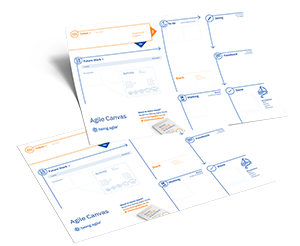
If you want to try this approach yourself, you can start with my free Museum Project Management Planner and guided workshop, available here:
Get Free PlannerManaging approval, perfectionism and risk in museum projects
Museums and heritage organisations often operate with a strong sense of responsibility around accuracy, reputation and public trust. This can lead to work being held back until it feels completely finished.
The risk is that:
Agile museum project management supports earlier sharing of work in progress. This is not about lowering standards. It is about reducing risk, improving outcomes and strengthening collaboration through shorter feedback loops.
Using Agile alongside existing museum tools
Agile does not require replacing existing systems.
In workshops, we explore how Agile museum project management works alongside tools already used across the sector, including Trello and Microsoft Planner.
The focus is on:
Tools should support thinking and collaboration, not add another layer of administration.
Start with personal museum project management, then scale
One of the most effective ways to introduce Agile project management in museums is to start at an individual level.
When people experience:
…it becomes much easier to scale Agile ways of working across teams and projects. Collaborative museum project management grows naturally when the benefits are felt first-hand.
A sustainable approach to museum project management
Agile museum project management is not about doing more work.
It is about doing the right work, with clarity and intention.
For museums, galleries and heritage organisations, this approach supports:
I run Agile Project Management courses specifically for museums, arts and heritage teams, grounded in real sector challenges rather than generic theory.
You can explore the course options here:
Agile Project Management courses for museums and heritage teams
Explore Courses