How Agile Supports Educational Programmes in Museums, Heritage and Culture
5 practical ways agile strengthens learning, engagement and delivery
Educational programmes in museums, heritage and cultural organisations are living systems.
Whether you’re developing school sessions, community learning, public workshops, interpretation projects or outreach programmes, plans rarely stay fixed. Content evolves. Partners contribute new ideas. Learner needs become clearer. Timelines shift.
That’s where Being Agile helps.
Not as a rigid framework, but as a mindset and suite of tools that supports learning, collaboration and adaptation throughout programme design and delivery.
Here are five ways agile directly supports educational programmes in museums, heritage and culture.
1. Designing programmes through iteration, not perfection
Educational programmes benefit from being shaped in stages.
Agile encourages small pilots, early drafts and simple prototypes: a trial workshop, sample activity, draft learning resource or test session with a small group.
Instead of waiting until everything is “finished”, teams learn from real feedback and refine as they go.
This reduces risk, improves relevance and helps programmes grow through experience rather than assumption.
2. Keeping learners and educators at the centre
Agile places learners at the heart of decision making.
Teachers, students, families and community participants actively influence programme content, structure and delivery. Their responses guide priorities and improvements.
This leads to education programmes that feel grounded, inclusive and meaningful because they evolve with learner insight, not just internal planning.
3. Making learning visible across the delivery team
Educational programmes are usually delivered by multi-disciplinary teams: educators, curators, project managers, designers and partners.
Agile practices such as regular check-ins, reviews and reflections create space to ask:
What did we learn from this session?
What worked well?
What needs adjusting before the next group?
This shared learning strengthens collaboration, builds confidence and improves programme quality over time.
4. Supporting adaptability in complex delivery environments
Education projects sit within real-world constraints: school calendars, funding requirements, access needs, safeguarding, staffing and space availability.
Agile offers simple planning tools that help teams respond to change without losing focus.
Rather than rigid schedules, teams work with clear priorities and short planning cycles. This allows programmes to adapt while maintaining momentum and clarity.
5. Building long-term education capability, not just delivering sessions
Beyond individual programmes, agile helps organisations build sustainable learning capability.
Teams develop skills in reflection, prioritisation, collaboration and adaptive planning. These capabilities strengthen future education projects and support continuous improvement across the organisation.
Learning becomes embedded in how programmes are designed and delivered, not something added on afterwards.
Bringing it together
Agile supports educational programmes in museums, heritage and culture by creating space for learning at every level: programme design, participant experience and team development.
It helps organisations move forward with clarity while staying open to discovery.
Not about doing more.
About learning better.
If you’d like a gentle, practical starting point, I also offer a free 20 minute guided workshop and Museum Project Management Planner, designed specifically for arts, heritage and museum teams:
👉 www.beingagileinbusiness.co.uk/arts
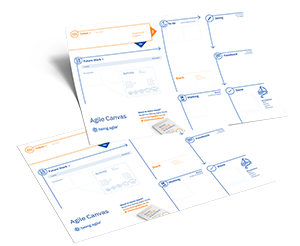
It’s a simple way to map education programmes, free up headspace and create clear next steps.ree
Museum Project Management Planner and guided workshop, available here:
Get Free PlannerI run Agile Project Management courses specifically for museums, arts and heritage teams, grounded in real sector challenges rather than generic theory.
You can explore the course options here:
Agile Project Management courses for museums and heritage teams
Explore Courses