From Ideas to Impact: How Museums Can Use Agile Planning to Deliver Successful Projects
Museums are full of ideas and innovations.
New exhibitions. Learning programmes. Community projects. Collections work. Events. Digital initiatives. Fundraising campaigns.
The challenge is rarely a lack of creativity.
The challenge is turning those ideas into action while managing limited resources, changing priorities and the unexpected challenges that come with museum work.
This is where a more adaptive approach to planning can help.
Why traditional project planning can struggle in museums
Many museum projects begin with a clear vision and a detailed plan. This makes sense. We need to understand what we are trying to achieve, what resources we need and how we will measure success.
However, museum projects rarely happen in a predictable environment.
Funding changes. Stakeholder needs evolve. New opportunities appear. Teams become stretched. Priorities shift.
A plan created months ago may no longer reflect the reality you are working in.
This does not mean planning is unnecessary.
It means we need a different approach to planning.
Planning is not about predicting the future
Agile approaches are built around the idea that plans are valuable, but they are not fixed.
Instead of creating a detailed plan and hoping everything goes exactly as expected, Agile planning helps teams:
• Get clear on what matters most
• Break big projects into manageable steps
• Focus on progress rather than perfection
• Review and adapt as they learn
• Make confident decisions when circumstances change
For museums, this can be particularly useful because projects often involve many different perspectives, from curators and collections teams to educators, volunteers, communities, funders and visitors.
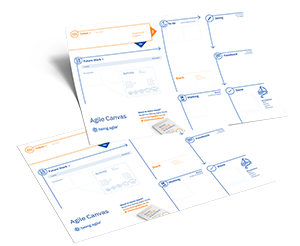
Introducing the Agile Project Planner for Museums
I created the Agile Project Planner to help museum teams move ideas forward in a simple, practical way.
Rather than creating a complicated project document that becomes outdated, the planner helps you capture the key things you need to understand:
What are we trying to achieve?
Start with the purpose. What difference will this project make? Who is it for?
What needs to happen?
Identify the key activities, tasks and milestones needed to move forward.
What matters most right now?
Not everything can happen at once. Prioritising helps teams focus their time and energy where it has the greatest impact.
What might get in the way?
Recognising risks, challenges and dependencies early helps teams adapt before problems become bigger.
How will we learn and improve?
Regular reflection allows teams to ask what is working, what is changing and what needs to happen next.
Small steps create momentum
One of the biggest benefits of Agile planning is that it helps teams move from feeling overwhelmed to making progress.
Large museum projects can feel daunting, especially when teams are balancing multiple responsibilities.
Breaking work into smaller steps creates momentum.
Instead of asking:
“How will we deliver this entire project?”
Ask:
“What is the next most useful thing we can do?”
Small actions create learning. Learning creates better decisions. Better decisions create better outcomes.
Agile does not mean doing more with less
Agile is sometimes misunderstood as simply a way to work faster.
For museums, it is more about working smarter.
It is about creating clarity, improving collaboration and making sure valuable work is not lost because teams are stuck waiting for the perfect plan.
An Agile mindset recognises that uncertainty is part of every project.
The goal is not to remove uncertainty.
The goal is to become better at navigating it.
Download your free Agile Museum Project Planner
Whether you are planning an exhibition, community project, learning programme or internal improvement initiative, the Agile Project Planner can help you turn ideas into action.
Use it to:
✓ Create clarity around your project
✓ Prioritise what matters most
✓ Break work into manageable steps
✓ Identify challenges early
✓ Create visibility, communicate clearly
✓ Review progress and adapt as you go
Download your free copy and start planning your next museum project with a more flexible, practical approach.
Because successful projects are not created by having a perfect plan.
They are created by learning, adapting and taking the next step.
Take your first step to being more agile and get your free copy of the Being agile Canvas
Download Here