Three practical ways to be more agile in museum learning projects
Museum learning and education teams are constantly balancing creativity, engagement, budgets, timescales and audience needs. Whether developing a new schools programme, creating family activities, designing interpretation, or delivering community engagement initiatives, projects rarely unfold exactly as planned.
This is where an agile mindset can help.
Being agile is not about abandoning planning or structure. It is about creating enough flexibility to learn, adapt and respond as new information emerges. In museum learning projects, this can help teams deliver greater impact while making better use of limited resources.
Why agility matters in museum learning
Education and learning projects often involve multiple stakeholders, including educators, curators, volunteers, community partners, schools and visitors. Each group brings different perspectives, needs and expectations.
Traditional project approaches can sometimes assume that requirements are fixed from the start. In reality, audience feedback, operational challenges and changing priorities often mean that projects need to evolve.
An agile approach encourages teams to:
• Test ideas early rather than waiting until everything is complete
• Gather feedback throughout the project
• Learn from audiences and stakeholders
• Adapt plans based on evidence
• Focus on delivering value and impact
This creates opportunities to develop learning experiences that are more engaging, relevant and inclusive.
Agile and inclusive practice
One of the strengths of an agile approach is that it encourages continuous listening and learning.
Rather than designing a programme and hoping it meets audience needs, teams can involve participants throughout the process. This creates opportunities to hear different voices, identify barriers and improve accessibility before launch.
This approach aligns strongly with inclusive working practices by creating space for collaboration, participation, co-production and shared decision-making.
When people are involved in shaping the work, projects are often more accessible, more relevant and more successful.
Three practical ways to be more agile in museum learning projects
1. Start small and learn quickly
Instead of investing months developing a complete programme, test a smaller version first.
For example, run a pilot workshop with one school, trial a family activity during a holiday period, or test interpretation concepts with a focus group.
The goal is not perfection. The goal is learning.
Early feedback can reveal opportunities and challenges that may not have been visible during planning.
2. Build regular reflection into the project
Agile teams create time to pause and reflect.
Simple questions can generate valuable insights:
• What worked well?
• What have we learned?
• What challenges are we facing?
• What should we do differently next time?
Short review sessions after events, workshops or project milestones help teams continuously improve rather than waiting until the end of a project.
3. Involve audiences throughout the journey
Learning projects are strongest when audiences help shape them.
Consider involving learners, teachers, community groups or visitors in planning, testing and reviewing activities. Their feedback can help ensure programmes remain relevant, engaging and accessible.
Co-creation does not need to be complex. Even small opportunities for participation can lead to better outcomes.
A mindset for an uncertain world
Museums operate in a rapidly changing environment. Audience expectations evolve, funding landscapes shift and new opportunities emerge.
An agile mindset helps museum learning teams navigate this uncertainty with confidence. By focusing on collaboration, experimentation and continuous learning, teams can create projects that are both effective and adaptable.
The most successful learning projects are rarely those that follow a perfect plan. They are often the ones that remain curious, listen carefully and adapt along the way.
In an increasingly complex world, being agile can help museums create richer learning experiences, stronger partnerships and more inclusive outcomes for everyone involved.
Thanks to all who attended my workshop with GEM this week, which inspired this article, thanks to Shannen for organising and for the wonderful feedback.
“I am loving this – I have done project management training before and left feeling like I need time in my diary to start it – this is so practical I am already planning next week :)”
“Thank you, I definitely feel more confident”
“Thanks for this, I’m feeling less overwhelmed now”
“This was great!”
“Brilliant session”
If you’d like to learn more about agile approaches…
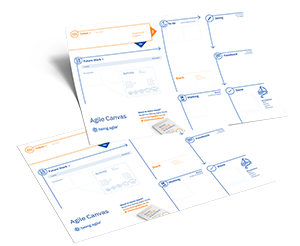
Download Belinda’s free Agile canvas and mini guide at
Https://www.beingagileinbusiness.co.uk/arts
Attend a half day workshop Agile with Belinda Waldock – Being Agile
Or organise a custom session for your projects and team Being Agile in Museums, Arts & Heritage : Team & Group Programmes
You may be eligible for funding for training I’ve collated some options here Museums, Arts, Heritage & Creative Agile Project Management Funding