3 Tips for Being Agile in Museums
By Belinda Waldock
It was clear just how valuable agile ways of working are within museums and heritage teams and projects in my recent workshop with AIM as part of their Safer Access programme.
During the session, we explored how agile thinking and practical tools directly benefit teams, projects and challenges museums are facing, like short funding cycles, complex collaborations and team burnout.
Rather than learning theory in isolation, we worked collaboratively on real situations teams are facing right now, from exhibitions and audience engagement to operational change and accessibility improvements.
One of the key themes throughout the workshop was that being agile is about creating adaptable, collaborative and inclusive ways of working that help teams respond to change while staying focused on purpose, people and impact.
Museums are often balancing complex projects, limited capacity and evolving audience needs. Agile approaches can help teams work in a more sustainable and connected way by encouraging regular reflection, shared ownership and incremental progress rather than trying to solve everything at once.
The Safer Access programme also highlighted the importance of creating environments where people feel able to contribute openly and safely. Agile practices naturally support this through collaboration, transparency and continuous feedback. When teams involve different voices early, test ideas gradually and reflect together regularly, projects often become more inclusive, accessible and effective.
A particularly powerful part of the workshop was seeing how quickly participants could apply simple agile tools to create clarity and momentum within their own work. Often, small changes in communication, planning and prioritisation can make a significant difference.
Three tips for being more agile and inclusive in museum projects
1. Involve people early, not just at the end
Seek input from colleagues, partners, volunteers and audiences throughout the project, rather than waiting until final review stages. Early collaboration helps surface different perspectives, improve accessibility and reduce costly rework later.
2. Break projects into smaller, manageable steps
Museum projects can feel overwhelming. Agile encourages teams to focus on the next valuable step, review progress regularly and adapt as they learn. This creates momentum and makes change feel more achievable.
3. Build regular reflection into the project
Create space for teams to ask: What is working well? What are we learning? What could we improve? Short reflective conversations help build trust, strengthen communication and support continuous improvement.
Museums have always adapted in response to changing communities, cultures and expectations. Agile offers practical ways to support that adaptability while creating more collaborative, inclusive and sustainable working environments for everyone involved.
If you’d like to explore how agile approaches can support your museum…
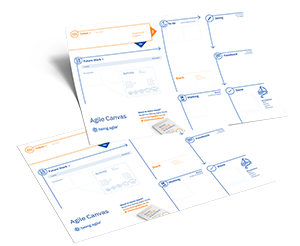
Download Belinda’s free Agile canvas and mini guide at
Https://www.beingagileinbusiness.co.uk/arts
Attend a half day workshop Agile with Belinda Waldock – Being Agile
Or organise a custom session for your team Being Agile in Museums, Arts & Heritage : Team & Group Programmes
You may be eligible for funding of upto £350 towards your training through AIMs training grant – find more information here
AIM Training Grants – AIM – Association of Independent Museums